2 months ago
29
Watch an NBA broadcast with the sound off sometime. Even muted, it doesn’t feel like a sporting event. It feels like a production — camera cuts timed like a music video, celebrity reaction shots framed like album art, graphics packages that could open an awards show. Somewhere along the way, basketball on television stopped being coverage of a game and became a show that happens to contain one.
Nobody planned that exactly, but nobody’s complaining either. The league leaned into personality earlier and harder than any other American sport, and the broadcast evolved to match. What we have now is a nightly entertainment property with its own aesthetics, its own supporting cast, and a global audience that treats tip-off like a release date.
The broadcast became the main character
Think about what an NBA telecast actually asks of you now. Pregame is a fashion runway — the tunnel walk got its own camera years ago, and players treat it accordingly. In-game, the director is hunting for moments as much as plays: the bench celebration, the courtside legend mouthing something at a rookie, the mid-timeout dance cam. Postgame pressers generate more clips than the fourth quarter does some nights.
That’s a deliberate design. The game supplies drama, but the broadcast supplies narrative, and narrative is what travels. A blowout in the third quarter would kill a pure sports telecast. An NBA broadcast just shifts weight to its other storylines and keeps moving. It’s the same instinct a great album sequencer has. You don’t let one weak track sink the experience.
Hip-hop and hoops share a bloodstream
The music connection isn’t decoration, it’s structural. Rappers sit courtside because the league understood decades ago that basketball and hip-hop pull from the same cultural well: style as competition, confidence as craft, the solo star backed by a crew. Arena playlists, walkout songs, All-Star Weekend performances, players dropping verses and artists showing up to open runs — the crossover flows both directions and always has.
And it changed who watches. Plenty of people come to NBA broadcasts through music first, recognizing the faces in the front row before they know the names on the floor. That’s not a bug in the product. That’s the funnel. The league’s smartest move was refusing to draw a hard line between its athletes and the culture around them, and the broadcast is where that refusal pays off every single night.
Seoul stays up late
Here’s the part that doesn’t get enough ink: this whole production translates. NBA fandom in South Korea is a real scene — Korean fans follow the league with the devotion of locals, argue draft picks online at sunrise, and build watch parties around games that tip off during Korean morning hours because of the time difference. Being an NBA head in Seoul means living your fandom on a flipped clock.
It also means navigating a rights situation that shifts more than American fans ever have to think about. Which Korean platform carries the league can change between seasons, so fans often check a reliable 중계사이트 to navigate the fragmented landscape. Guide portals like JGTV24 lay out which channels and platforms legally hold the rights and when games air in local time. It’s the unglamorous infrastructure of global fandom. The courtside show gets the cameras, but somebody in Seoul checking a schedule page at 8 a.m. before a big matchup is just as much a part of the league’s ecosystem as anyone in the building.
That international pull runs on the entertainment layer, too. Highlights and personalities cross language barriers in ways box scores never will. A great tunnel fit needs no translation.
The front row is an economy
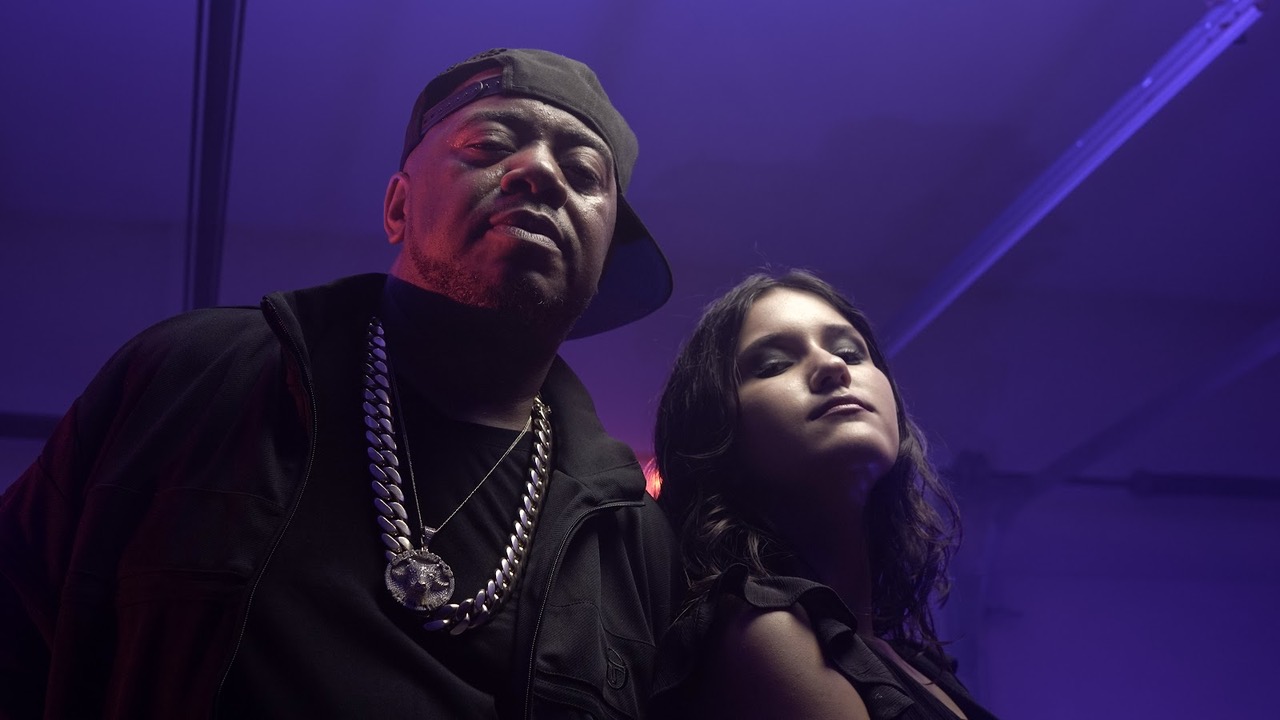
Courtside seats used to be expensive chairs. Now they’re a media placement. Sitting in the front row at a marquee game puts you in the broadcast, which puts you in the clips, which puts you in the feeds by midnight. Artists time album rollouts around appearances. Actors promote films from the baseline. The camera finds them because the camera is supposed to find them — celebrity row is part of the show’s casting.
I’ll admit some ambivalence here. There’s a version of this where the game becomes set dressing for a content machine, and some nights it tilts that way. But then a playoff game gets genuinely tense, the stars in the front row turn into regular fans losing their minds, and the whole apparatus snaps back into focus. The entertainment layer works because the competition underneath it is real. The moment that inverts, the show dies. The league seems to understand exactly where that line is.
Where the show goes from here
The next chapter is already visible. The league keeps pushing alternate broadcasts — comedian-hosted streams, animated tie-in games, influencer watch-alongs — treating a single game like a piece of IP that can be told five ways at once. Official platforms at nba.com now function as full media hubs rather than box-score archives, and the league schedules marquee games with international mornings and evenings in mind, because it knows the audience in Manila and Seoul and Paris isn’t a bonus market anymore. It’s the market.
For fans, all of this lands as abundance. More ways in, more languages, more layers, whatever distance you’re watching from. The courtside seats will keep getting more famous faces, the tunnel walks will keep getting more theatrical, and somewhere a kid who came for the music will stay for the basketball, which has been the league’s quiet trick for forty years. The show around the game keeps growing. The game keeps being good enough to deserve it. As long as both of those stay true, this thing doesn’t slow down.
The post Courtside Is a Stage Now, and Everybody Knows It appeared first on The Hype Magazine.