 1 month ago
22
1 month ago
22
By Cherith Glover Fluker | For the Birmingham Times
I love a good road trip.
Couple it with an opportunity to celebrate Black history and support Black-owned businesses, and you’ve got my attention.
In the Southeast, some of the most powerful landmarks in Black history sit just a few hours from Birmingham. And the communities around them are home to Black-owned restaurants, shops, and hotels worth the drive alone.
Here are five destinations within driving distance of Birmingham worth putting on your radar.
Montgomery — approximately 1.5 hours
Montgomery and Birmingham share a deep and intertwined Civil Rights legacy. But Alabama’s capital city has its own distinct identity worth exploring on its own. It draws visitors from around the world.
The Legacy Sites of the Equal Justice Initiative (EJI) offer a deeper look at the history of racial injustice in America. The sites include the Legacy Museum, the National Memorial for Peace and Justice, Freedom Monument Sculpture Park, and Montgomery Square. The Dexter Avenue King Memorial Baptist Church, where the Rev. Martin Luther King Jr. once pastored, and the Rosa Parks Museum round out a roster of landmarks that make Montgomery appealing for history buffs.
When it’s time to eat, head to Pannie-George’s Kitchen, a Black-owned cafeteria-style soul food restaurant. The fried chicken and fried catfish are my top choices.
Where to stay: Elevation Convening Center & Hotel is located close to all EJI Legacy Sites. SpringHill Suites Montgomery Downtown puts you in the heart of the city, within easy reach of its historical landmarks, restaurants, and waterfront adventures.
LaGrange, Georgia — approximately 2.5 hours
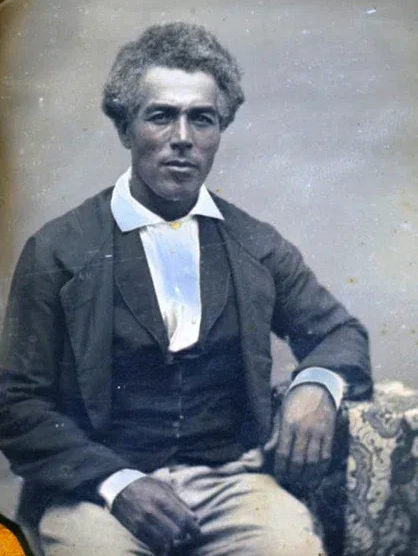 Horace King was an African-American architect, engineer and bridge builder. (Wikipedia)
LaGrange is a charming west Georgia town, easy to overlook compared to its larger counterparts. To do so, however, would mean missing one of the most compelling Black history stories in the region.
I had visited LaGrange before, but without a historical lens. Learning about Horace King changed that. King was a bridge builder and architect who was raised as an enslaved person and died a highly respected free man. His legacy is on display throughout downtown, where some buildings are patterned after his original designs. This detail stayed with me: at his funeral, his procession wound around the downtown square and drew business owners from every background. That says everything about the man he was and the life he built against extraordinary odds.
Where to stay: The Courtyard by Marriott sits conveniently on the downtown square, making it convenient to explore the city’s history and dining.
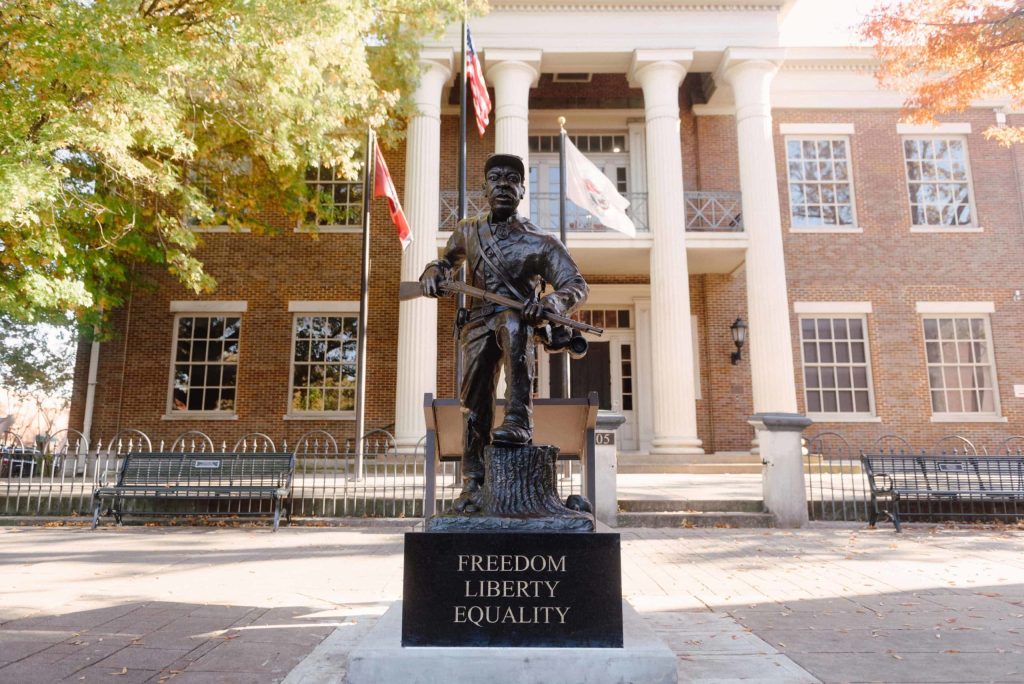 A bronze statue called March to Freedom now stands in Franklin, Tennessee’s Public Square honoring U.S. Colored Troops. (City Of Franklin)
Franklin, Tenn. — approximately 3 hours
Franklin is best known as a picturesque Tennessee town with a well-preserved historic downtown. But its Black history runs deeper than most visitors realize. A community initiative called “The Fuller Story” has worked to surface the complex history of the town’s African American population. A bronze statue called March to Freedom now stands in Franklin’s Public Square honoring U.S. Colored Troops, alongside historical markers about the slave market that once operated there, an 1867 race riot, and the long road through Reconstruction.
The McLemore House, purchased by formerly enslaved man Harvey McLemore in 1880, is now a museum celebrating the rich African American heritage of Franklin and Williamson County. Nearby, the Toussaint L’Ouverture Cemetery, founded in 1869 and named after the Haitian revolutionary, serves as the final resting place for the pioneers of Franklin’s Black community.
Where to stay: The Harpeth Hotel, a boutique property in the heart of downtown Franklin, puts you within walking distance of several of the city’s landmarks, dining, and shopping options.
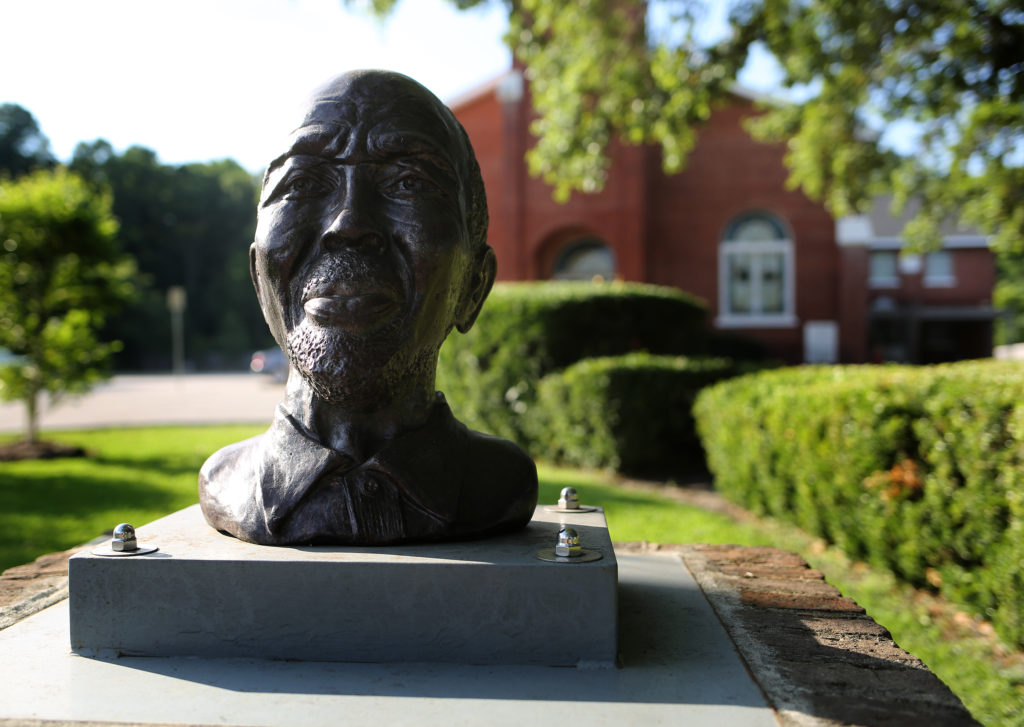 A cat iron bust of Cudjoe Lewis by April Livingston sits in front of Union Missionary Baptist Church in Africatown on in Mobile, Alabama. In the 1860s, Lewis founded Africatown with a group of other Clotilda survivors. (File)
Mobile — approximately 3 hours
A documentary on the Clotilda sent me to Mobile, and I’m glad it did. The story of the last known slave ship to arrive in the United States, and the 110 enslaved Africans aboard it who later founded Africatown, is one of the most remarkable in American history. The Africatown Heritage House brings that story to life in a way that is devastating, yet deeply human.
Mobile’s Black history spans more than three centuries. The Dora Franklin Finley African American Heritage Trail encompasses 40 points of interest, including Stone Street Baptist Church. This church was established in 1807 and is one of the oldest Black churches in Alabama. Dr. Martin Luther King Jr. Avenue, formerly known as Davis Avenue and once Mobile’s thriving “Black Wall Street,” is also worth a visit at the Historic Avenue Cultural Center.
For dining, The Breakfast Spot, a Black-owned downtown staple, is the move for brunch.
Where to stay: Downtown Mobile offers a range of hotels within easy reach of the city’s historic sites and waterfront.
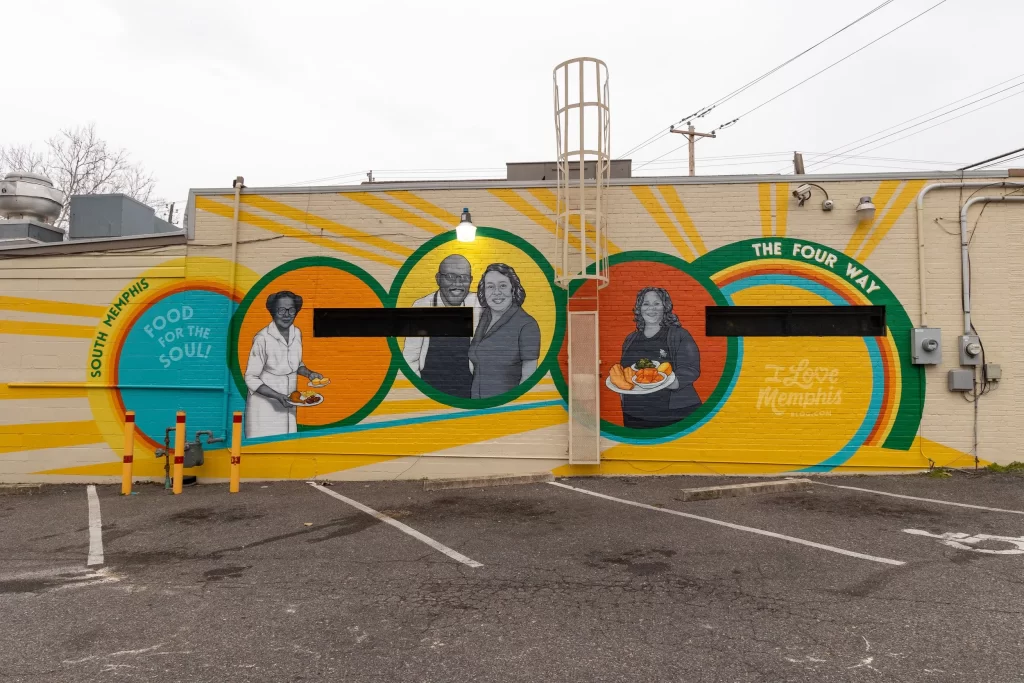 The Four Way is a Black-owned restaurant known for serving the best soul food in Memphis. (The Four Way)
Memphis, Tenn. — approximately 4.5 hours
Few cities tell the story of Black American life as fully as Memphis. Sites throughout the city paint pictures of the pain, power, and cultural genius of Black life. The feeling you get when you walk through the Lorraine Motel at the National Civil Rights Museum stays with you. The exhibits pull you into the era in a way that photographs and textbooks simply cannot.
Beale Street is its own history lesson. Black musicians have played here since the 1860s, and in the 1870s, Robert Church purchased the street, making him the South’s first Black millionaire. The Stax Museum of American Soul Music honors the legendary studio where Otis Redding, Isaac Hayes, and the Staple Singers shaped the sound of a generation.
End the day at The Four Way, a Black-owned restaurant known for serving the best soul food in Memphis. Open since 1946, it was one of the first integrated restaurants in the city.
Where to stay: The Guest House at Graceland offers a one-of-a-kind Memphis experience, while downtown hotels along the riverfront put you within easy reach of Beale Street and the National Civil Rights Museum. ARRIVE Memphis is a 62-room boutique hotel that gives you a taste of how locals live, as Memphis residents love hanging out in the ARRIVE lobby, which has a coffeeshop vibe during the day and transforms into a buzzworthy bar at night.
Each of these destinations offers a unique contribution to Black History. Black history is not confined to a single city or moment. It is woven into the fabric of this entire region, waiting to be explored one road trip at a time.
Follow Cherith Glover Fluker’s adventures in Birmingham and beyond at whatcherithinks.com.